
We’ve heard the rumours, and possibly you’ve gotten too: that the meals in Cuba is bland and uninspired. For years, travellers who by no means left their all-inclusive resorts got here residence with tales of boring buffets. We’re right here to let you know that might not be farther from the reality.
That all modified for us after we determined to ignore the everyday recommendation and observe our curiosity down a residential avenue in Havana. We ended up in a paladar—a small, family-run restaurant working out of somebody’s residence. The air was crammed with the scent of garlic, cumin, and slow-roasted pork. It was there we found the true Cuba.
Cuban meals isn’t about fancy methods; it’s about custom and flavour born from a vibrant mixture of Spanish, African, and Caribbean influences. It’s consolation meals that tells the story of the island’s wealthy historical past. We’ve spent a number of time consuming our manner by Cuba, and we’re right here to share the dishes that you just completely can not miss, primarily based on our firsthand expertise.
Top 5 Cuban Dishes (Quick List)
If you solely have time for just a few meals in Cuba, ensure these are in your record. This is one of the best of one of the best when it comes to conventional Cuban meals.
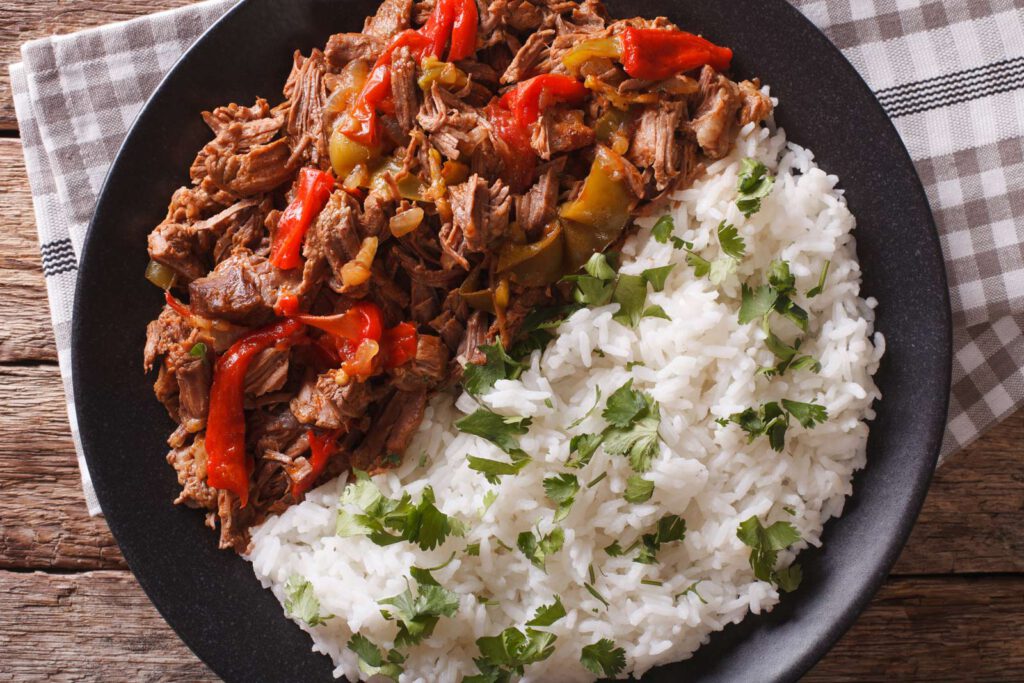
Ropa Vieja: The nationwide dish of Cuba, this flavourful shredded beef is slow-cooked in a wealthy tomato sauce.
Lechon Asado: Tender, juicy, slow-roasted pork, usually marinated in a garlic and citrus mojo sauce.
Sandwich Cubano: A traditional pressed sandwich with roast pork, ham, Swiss cheese, pickles, and mustard.
Moros y Cristianos: A easy however important facet dish of black beans and white rice cooked collectively.
Plátanos Maduros Fritos: Sweet, caramelized fried plantains that accompany nearly each predominant course.
Must-Try Cuban Main Dishes
These are the hearty, flavourful centrepieces of any true Cuban delicacies. From slow-cooked meats to wealthy rice dishes, these mains supply a real style of the island’s culinary soul.
Ropa Vieja (Old Clothes)
What it’s: Shredded beef simmered in a wealthy sauce of tomatoes, bell peppers, onions, garlic, and cumin. It is broadly thought-about Cuba’s nationwide dish.
Why strive it: It’s pure consolation in a bowl. We usually order this on cooler evenings in Havana after we desire a meal with slow-cooked depth and unimaginable flavour.
Cultural observe: The identify interprets to “old clothes,” which is assumed to refer to the way in which the shredded beef resembles vibrant, tattered rags.
Where to discover it: You’ll discover this in almost each paladar, however one of the best variations come from household kitchens which have been simmering the recipe for generations.
Lechon Asado (Roast Suckling Pig)
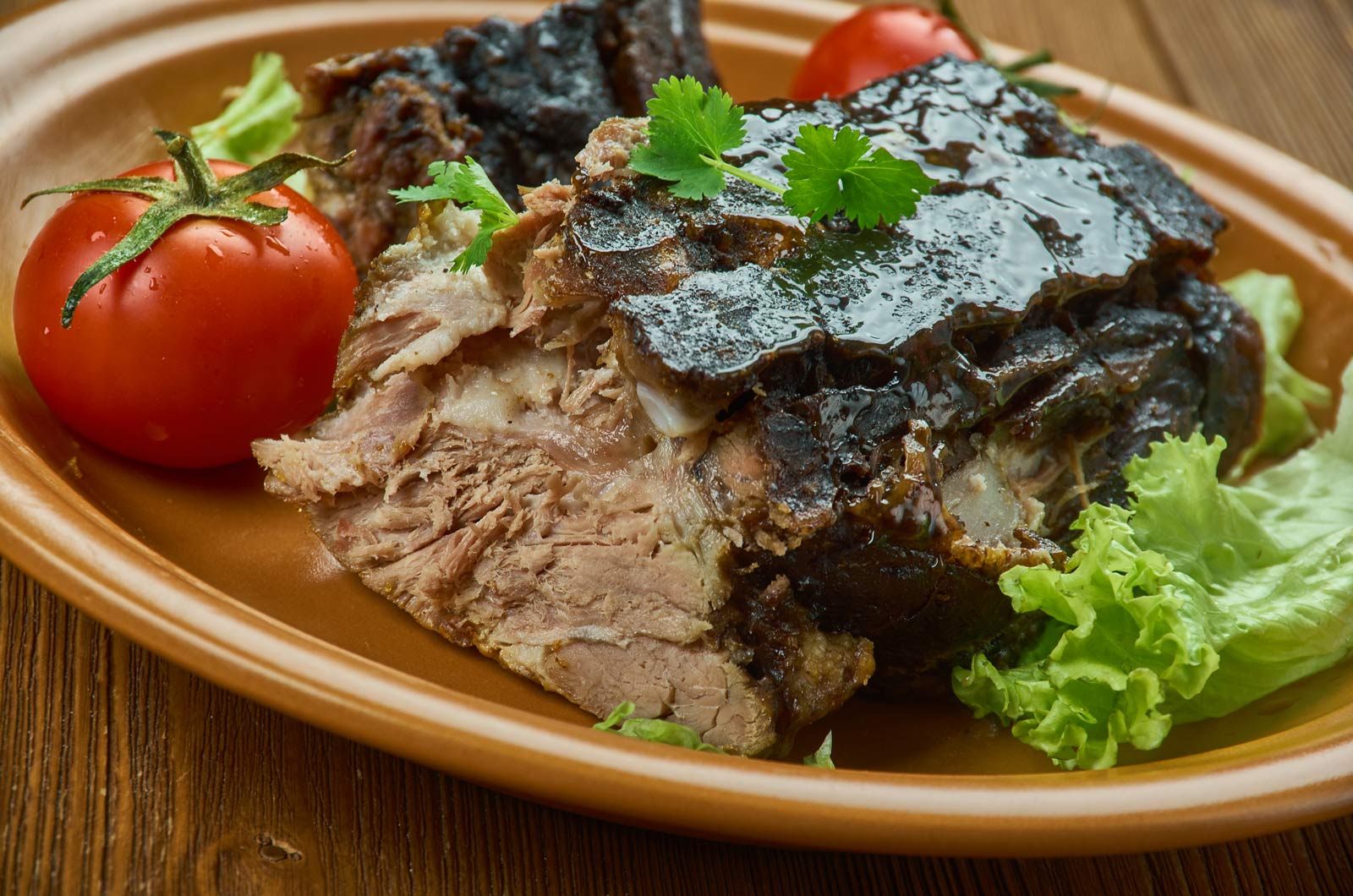
What it’s: Slow-roasted pork, marinated for hours in mojo criollo—a zesty sauce of garlic, bitter orange juice, and oregano—till the meat is succulent and the pores and skin is completely crispy.
Why strive it: This is the dish that opened our eyes to what actual conventional Cuban dishes might be. The mixture of tender pork and the zesty mojo sauce is one thing we nonetheless take into consideration.
Cultural observe: Lechon Asado is the quintessential celebration dish in Cuba, usually the centrepiece for holidays like Christmas Eve (Nochebuena) and New Year’s.
Where to discover it: While it’s a staple at celebrations, any respected paladar could have a unbelievable model on its menu, particularly within the countryside.
Vaca Frita (Fried Cow)
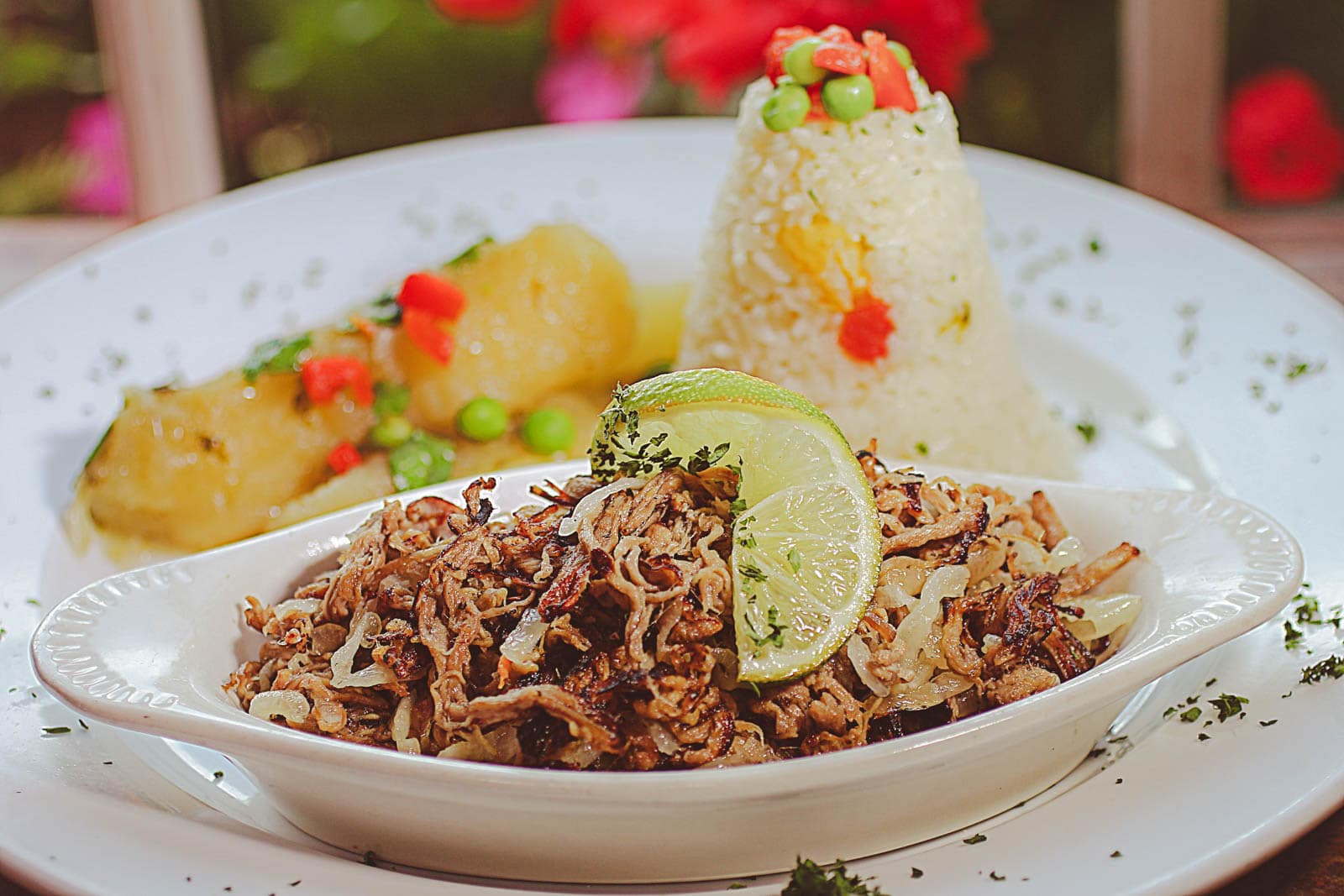
What it’s: Shredded beef marinated in lime juice, garlic, and salt, then pan-fried till the sides are brown and splendidly crispy.
Why strive it: If you take pleasure in texture, that is the dish for you. It’s the savoury, crispy cousin of Ropa Vieja, providing a pleasant crunch and a vibrant, citrus-forward flavour.
Cultural observe: Vaca Frita is a good instance of Cuban culinary resourcefulness, taking an analogous core ingredient as Ropa Vieja and creating a totally completely different expertise.
Where to discover it: Common in paladares throughout the nation. It’s a real native favorite you gained’t all the time discover within the extra tourist-focused spots.
Picadillo a la Habanera
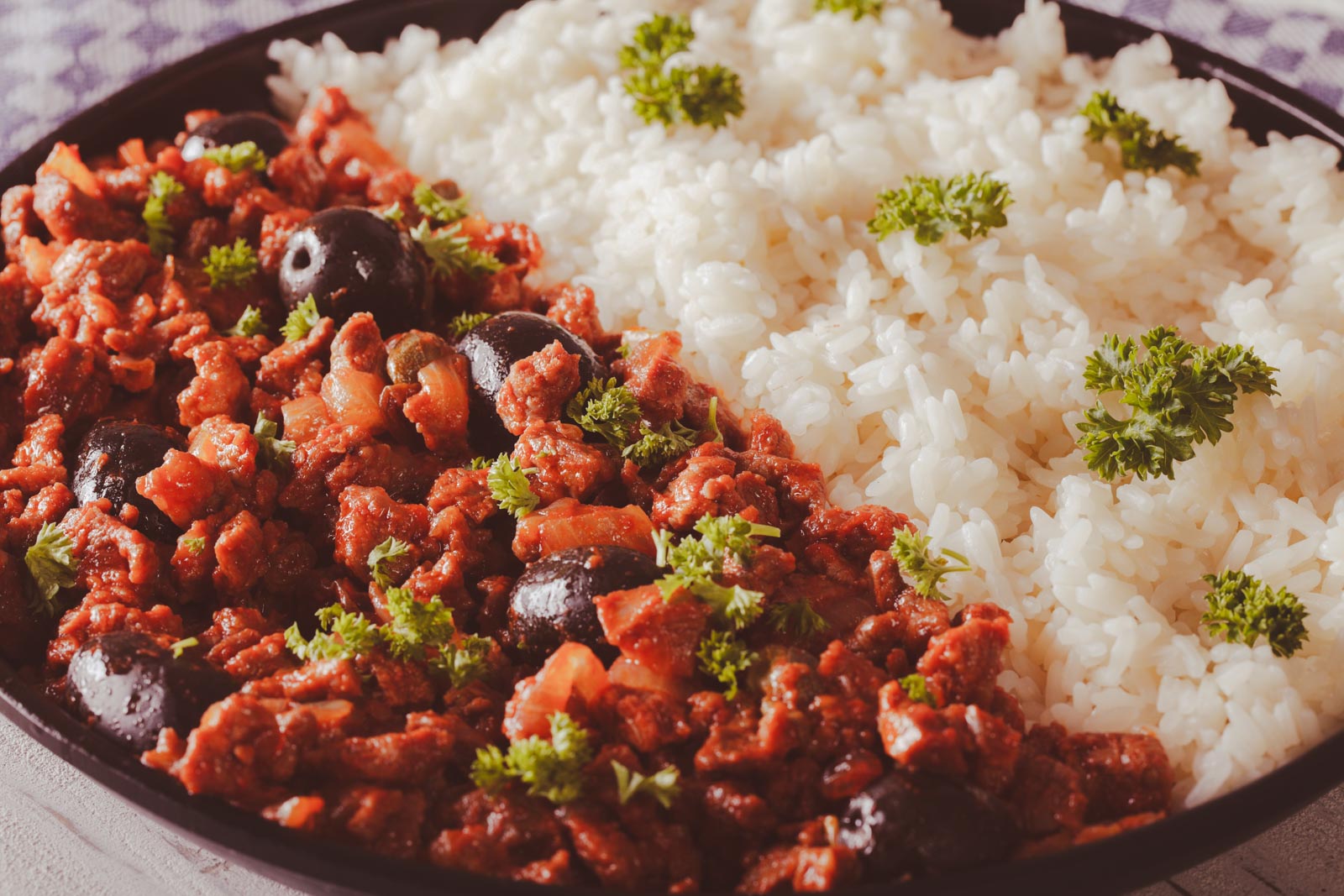
What it’s: A savoury hash of floor beef slow-simmered in a tomato sauce with onions, garlic, olives, and typically raisins or potatoes for a candy and salty combine.
Why strive it: This is the last word style of Cuban residence cooking. It’s a easy, comforting, and deeply flavourful dish that feels prefer it was made with care. And it’s a kind of Cuban recipes you possibly can simply make at residence.
Cultural observe: Nearly each Cuban household has its personal model of Picadillo, with the recipe usually handed down by generations.
Where to discover it: This is a dependable and scrumptious selection at nearly any paladar that serves conventional home-style meals.
Arroz Con Pollo (Chicken with Rice)
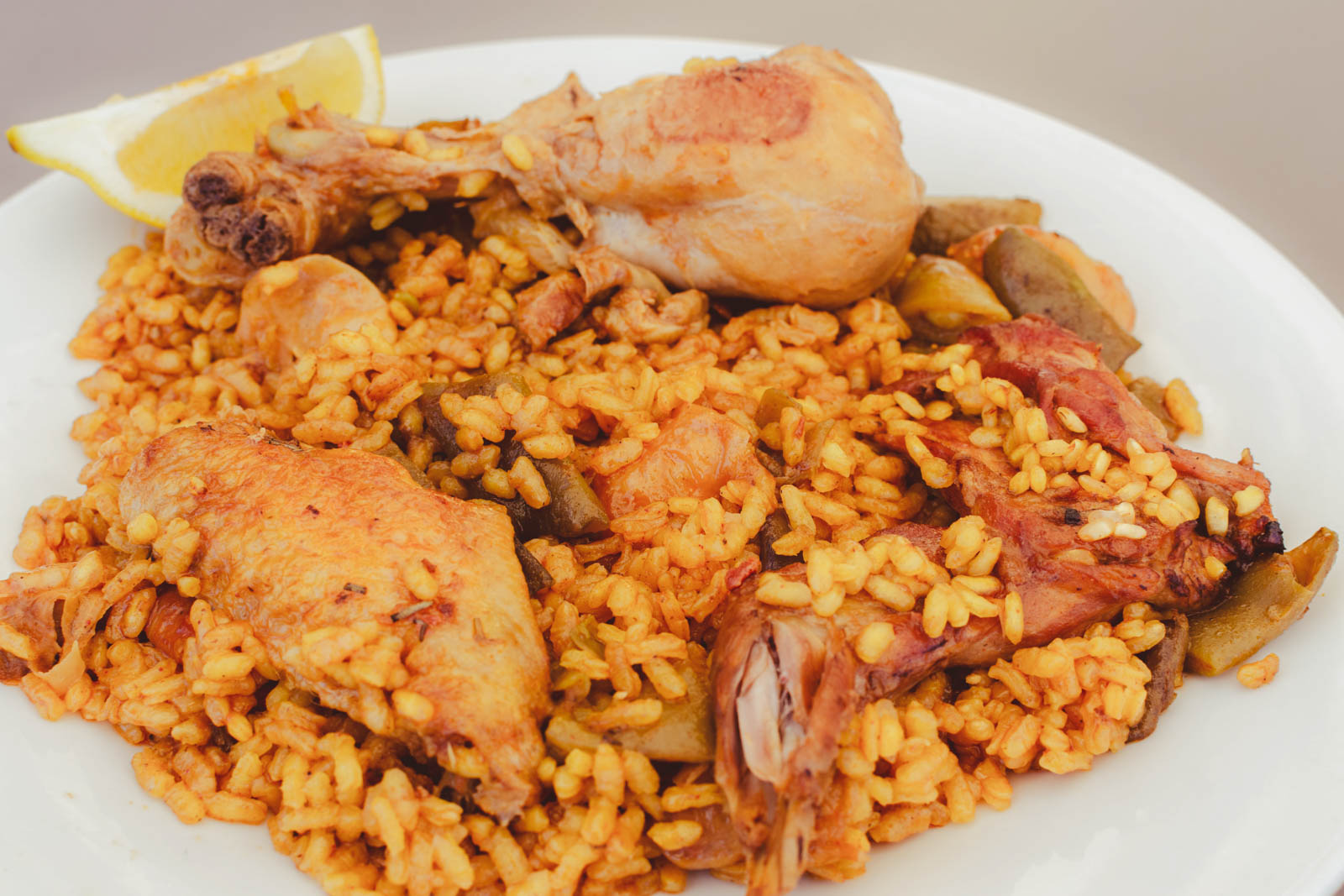
What it’s: A traditional one-pot meal the place rooster and yellow rice are simmered along with a sofrito base, permitting the rice to take in all of the flavourful inventory and spices.
Why strive it: It’s easy, satisfying, and a whole meal in a single dish. The Cuban model is exceptionally moist and savoury, making it an ideal selection once you’re unsure what to order.
Cultural observe: While in style throughout Latin America, the Cuban model is commonly made with a splash of beer and annatto (or Bijol) for its distinct yellow color.
Where to discover it: This is a staple dish. You can discover it in every single place from busy metropolis eating places in Havana to quiet roadside cafes.
Pernil Relleno De Moros Y Cristianos
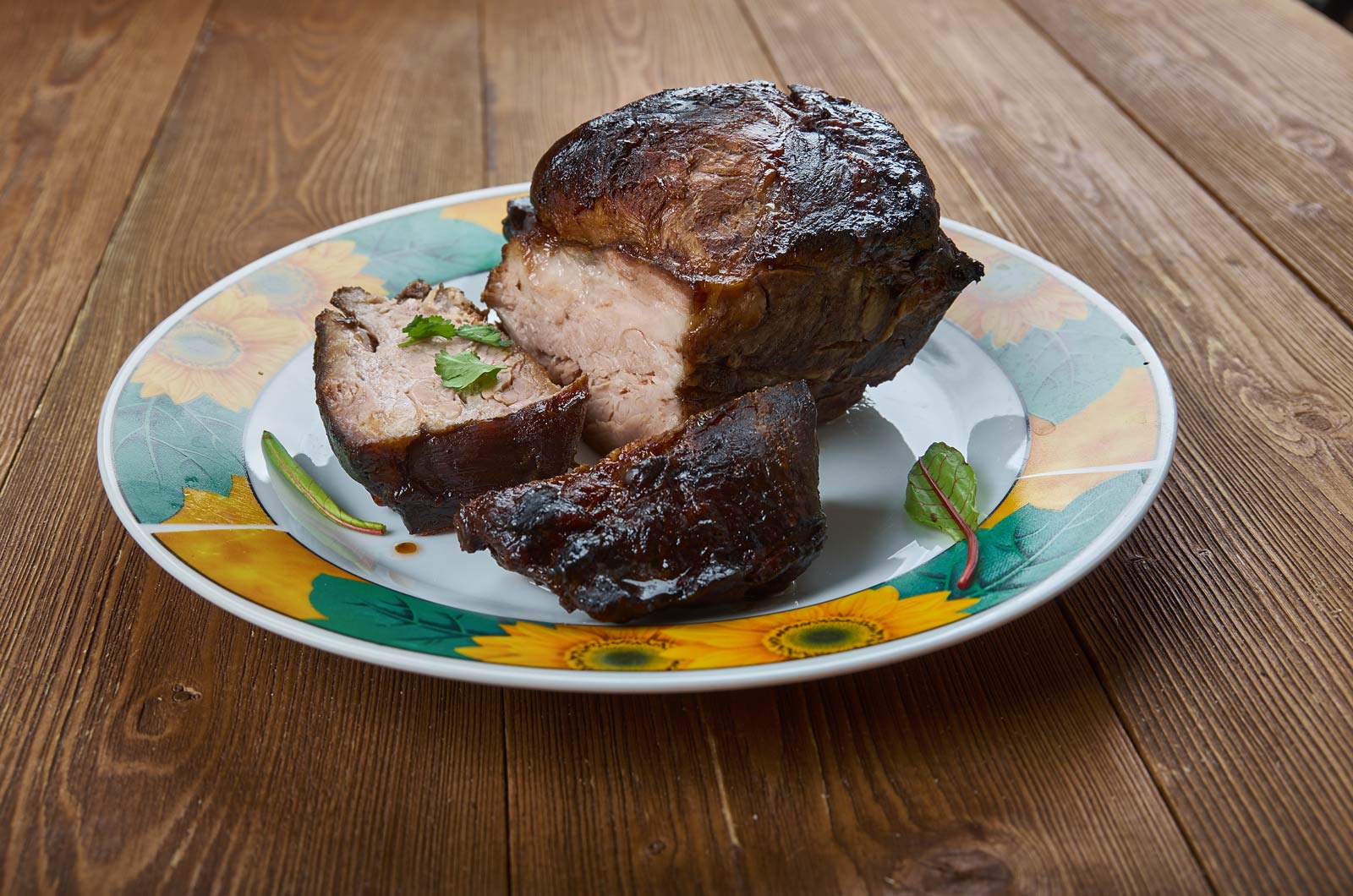
What it’s: A showstopper of a dish. It’s a juicy pork shoulder, marinated in mojo, then filled with a hearty filling of black beans and rice (Moros y Cristianos).
Why strive it: It’s two of Cuba’s most iconic dishes rolled into one. Order this once you’re feeling additional hungry and need all of the traditional flavours on one plate.
Cultural observe: This is a extra elaborate tackle conventional recipes, showcasing the sort of culinary creativity you’ll discover in trendy paladares.
Where to discover it: Look for this at extra bold eating places that take pleasure in placing a artistic spin on the classics.
Arroz Imperial (Imperial Rice)
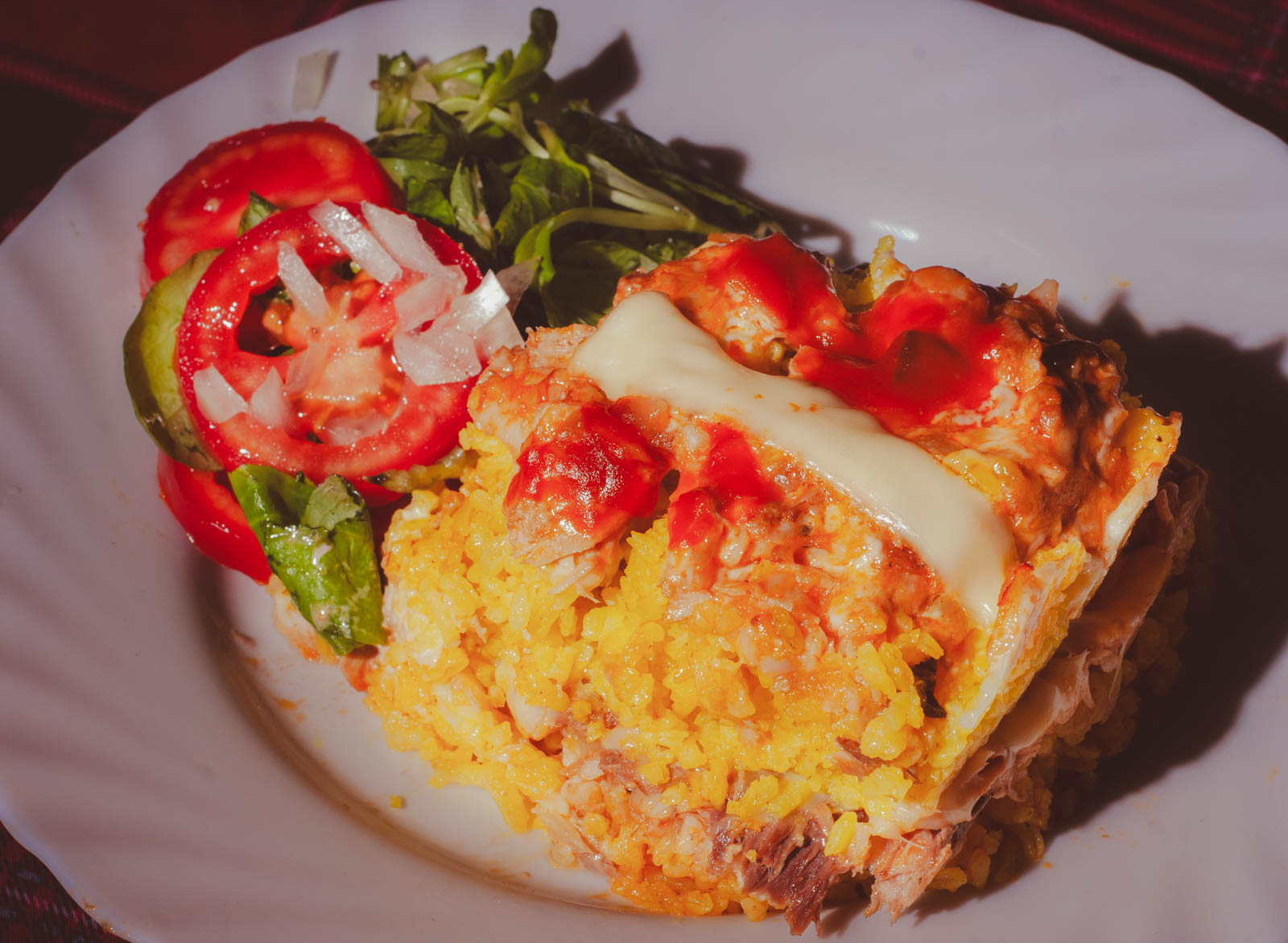
What it’s: A wealthy, layered casserole of yellow rice and shredded rooster, usually certain along with mayonnaise and topped with a layer of melted cheese.
Why strive it: It’s extremely decadent and in contrast to anything in Cuban delicacies. It’s a scrumptious responsible pleasure that’s good for sharing.
Cultural observe: Often known as “Imperial Rice” as a result of its richness and layered look have been seen as a dish match for an emperor. It’s pure occasion meals.
Where to discover it: This is extra widespread at household gatherings than on restaurant menus, however some paladares specializing in celebratory meals will supply it.
Guava Basted Ribs
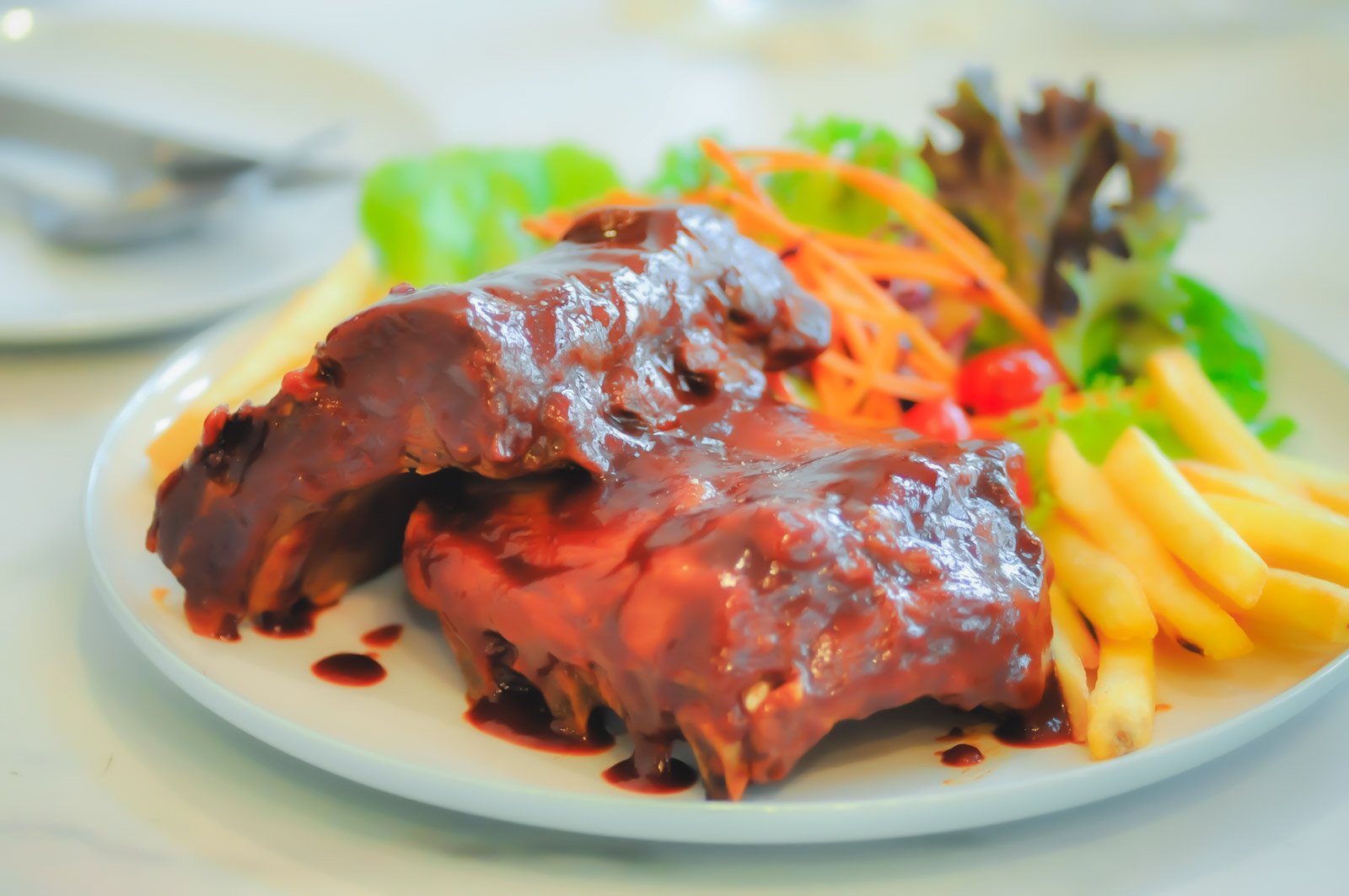
What it’s: Slow-cooked pork ribs glazed with a sticky, candy, and tangy barbecue sauce made out of a base of guava paste, a staple Cuban fruit.
Why strive it: It’s the right mixture of candy and savoury. This dish highlights one among Cuba’s most essential fruits in a totally scrumptious and sudden manner.
Cultural observe: This recipe showcases the sturdy Caribbean affect on Cuban cooking, which regularly incorporates tropical fruits into savoury dishes.
Where to discover it: You’re most certainly to discover this at paladares with a extra modern or fusion-style menu.
Essential Side Dishes in Cuba
While the mains are the celebs, these important facet dishes are the inspiration of almost each Cuban meal. They present stability, texture, and a complete lot of additional flavour.
Moros y Cristianos (Moors and Christians)
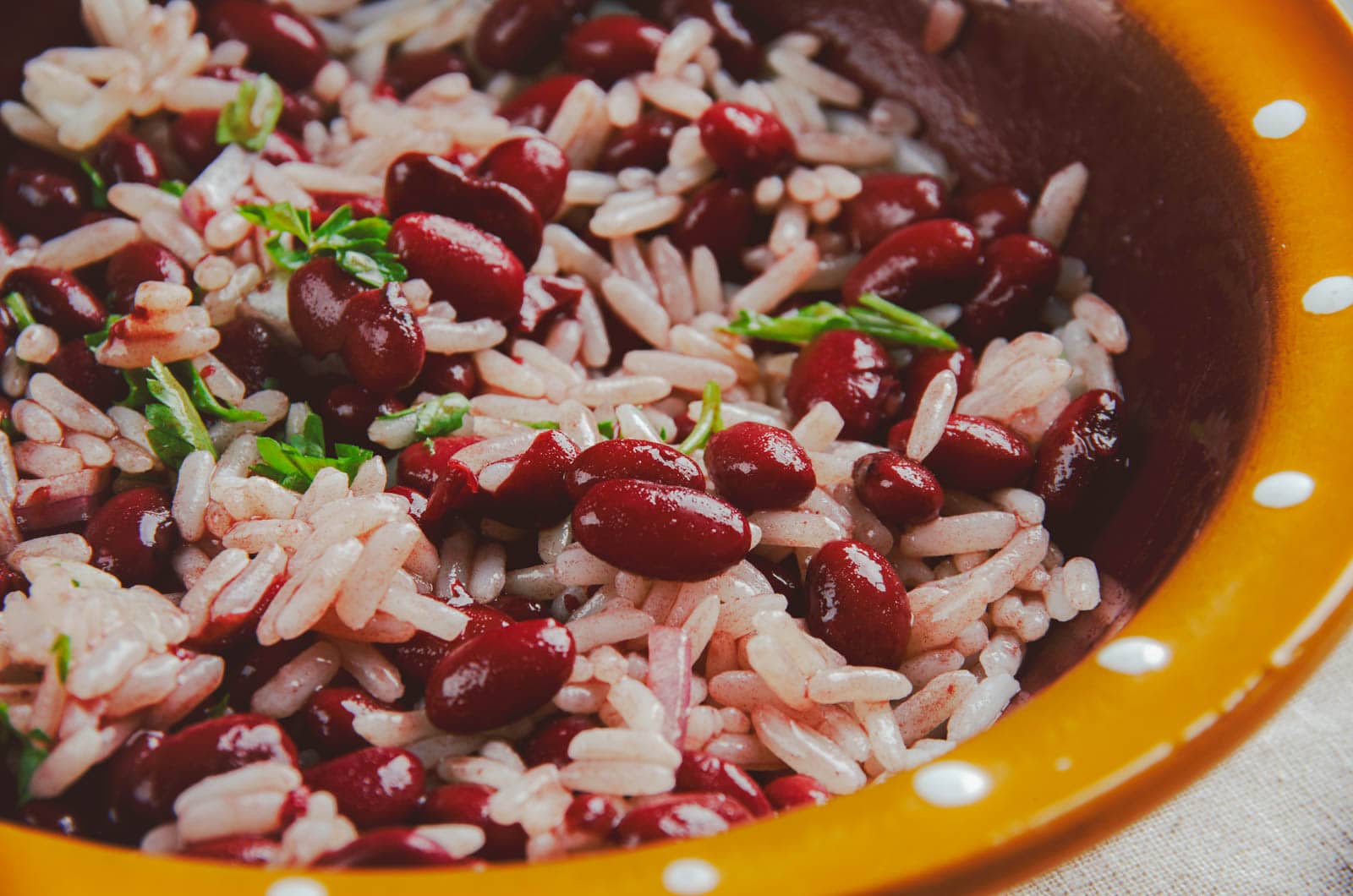
What it’s: The iconic Cuban rice and beans, the place white rice and black beans are simmered collectively in a single pot with seasonings like garlic, cumin, and oregano till the rice is infused with flavour.
Why strive it: This is the center and soul of the Cuban plate. When made nicely, it’s a lot extra than simply rice and beans. It’s savoury, fragrant, and the right companion to wealthy, meaty predominant programs.
Cultural observe: The identify is a historic reference to the interval when the Moors (represented by the black beans) and the Christian Spanish (the white rice) occupied the Iberian Peninsula.
Where to discover it: Absolutely in every single place. It’s the default facet dish for many meals served throughout the island.
Plátano Maduro Frito (Fried Sweet Plantains)
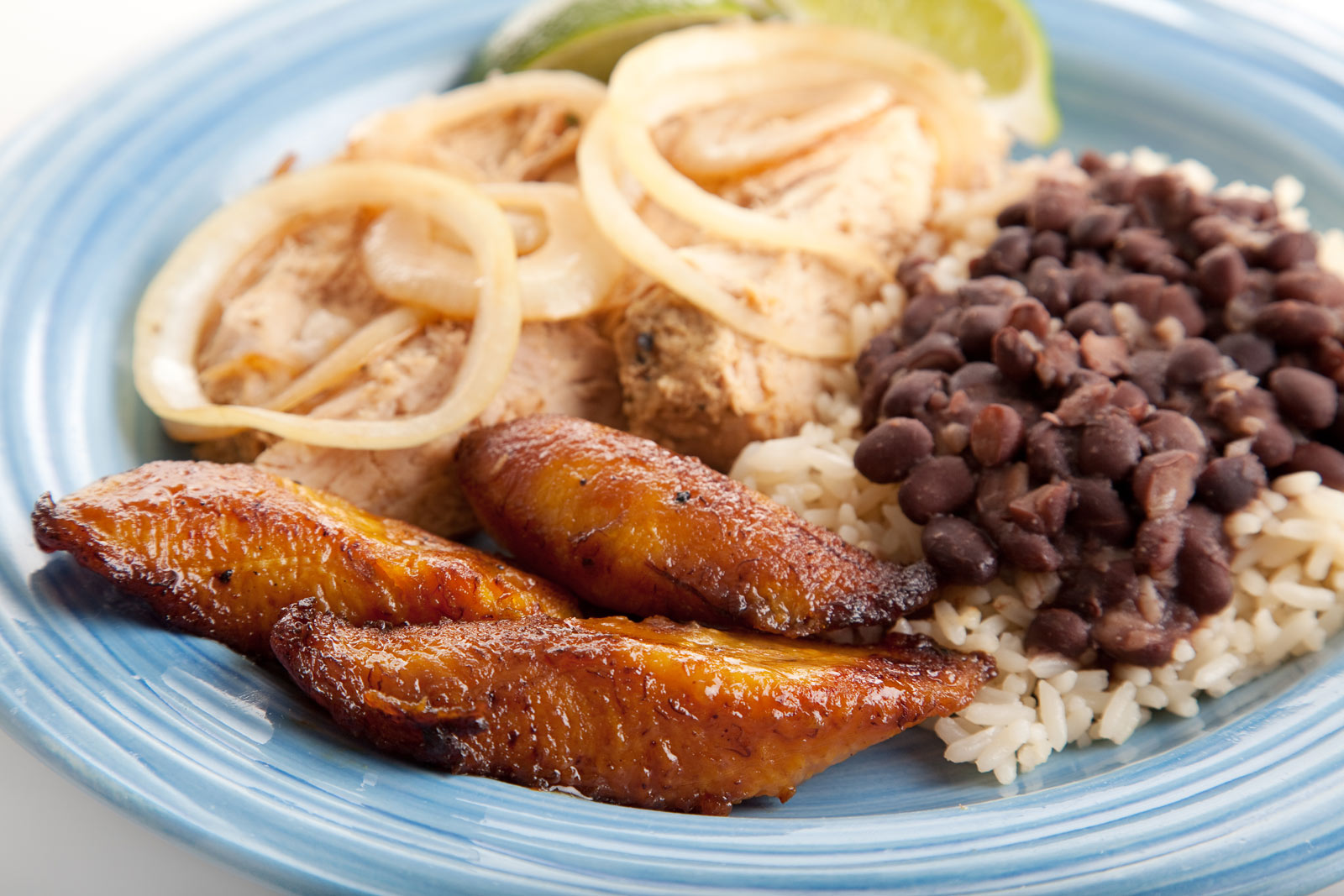
What it’s: Slices of very ripe, candy plantain which can be pan-fried till they’re smooth on the within with a caramelized, barely crispy exterior.
Why strive it: They present a beautiful, candy counterpoint to the salty and savoury flavours of the principle dishes. This is one among our favorite facet dishes and we order it each single time it’s on the menu.
Cultural observe: The use of plantains is a direct hyperlink to the African influences which can be deeply woven into Cuban tradition and delicacies.
Where to discover it: Served alongside most platos fuertes (predominant programs) as a regular accompaniment.
Tostones (Fried Green Plantains)
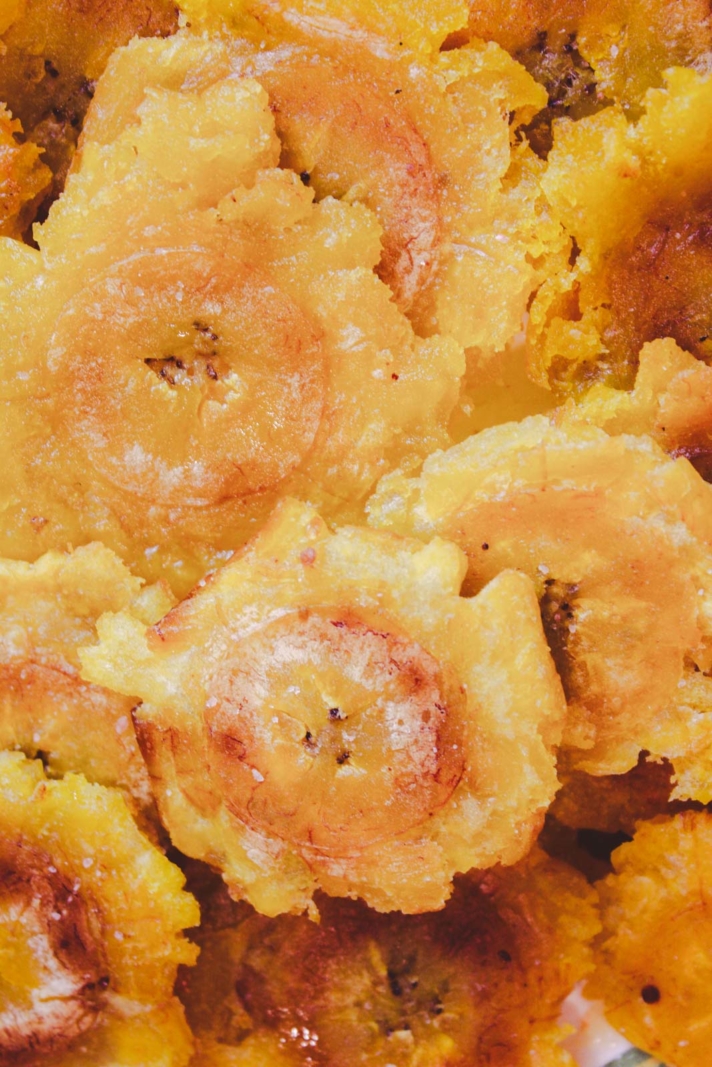
What it’s: Slices of unripe, inexperienced plantain which can be fried as soon as, smashed flat into discs, after which fried a second time till they’re golden and crispy.
Why strive it: These are the savoury, starchy cousin to the candy maduros. They have a texture related to a thick-cut potato chip or a crispy french fry and are good for dipping.
Cultural observe: Also referred to as ‘chatinos’ in some areas of Cuba. The essential double-frying method is what provides them their signature crunch.
Where to discover it: A very talked-about appetizer (entrante) or facet dish. They are sometimes served with a garlicky mojo sauce for dipping.
Yuca con Mojo (Cassava with Garlic Sauce)
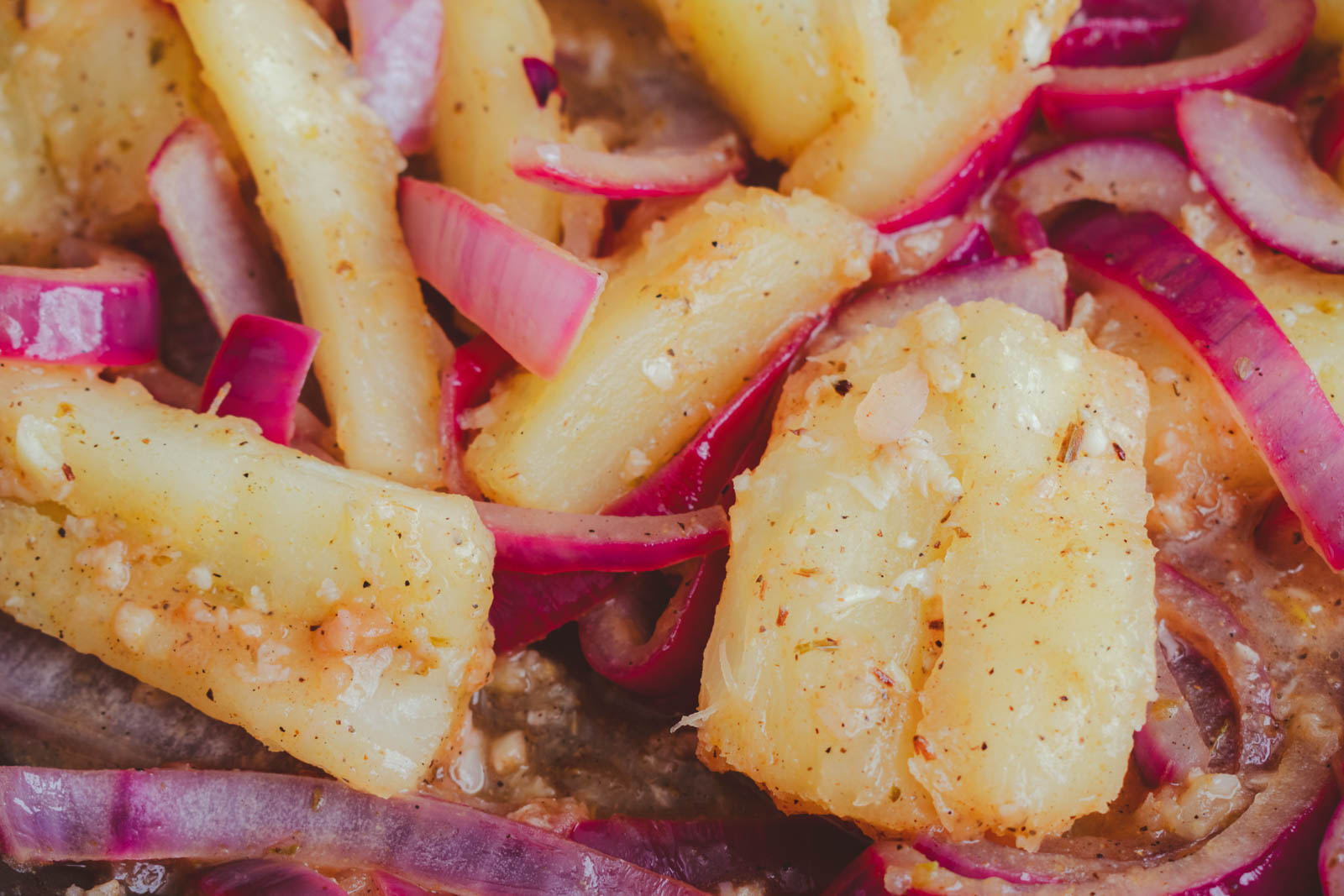
What it’s: Yuca, a starchy root vegetable related to a potato, is boiled till fork-tender after which generously topped with mojo de ajo—a heat sauce made with olive oil, citrus juice, and a number of garlic.
Why strive it: It’s a traditional Cuban consolation meals. The smooth, gentle flavour of the yuca is the right canvas for the potent, zesty garlic sauce. It’s easy however extremely satisfying.
Cultural observe: Yuca was a staple meals for the indigenous Taíno individuals of Cuba, making it one of the crucial historic substances nonetheless eaten on the island at the moment.
Where to discover it: This is a quite common facet dish you’ll discover at most paladares, and it’s a fixture at household barbecues and vacation meals.
Cuban Sandwiches and Street Food
Beyond the sit-down meals, a few of Cuba’s greatest meals is present in its sandwiches and fast street-side eats. They are easy, satisfying, and filled with native flavour.
Sandwich Cubano (The Traditional Cuban Sandwich)
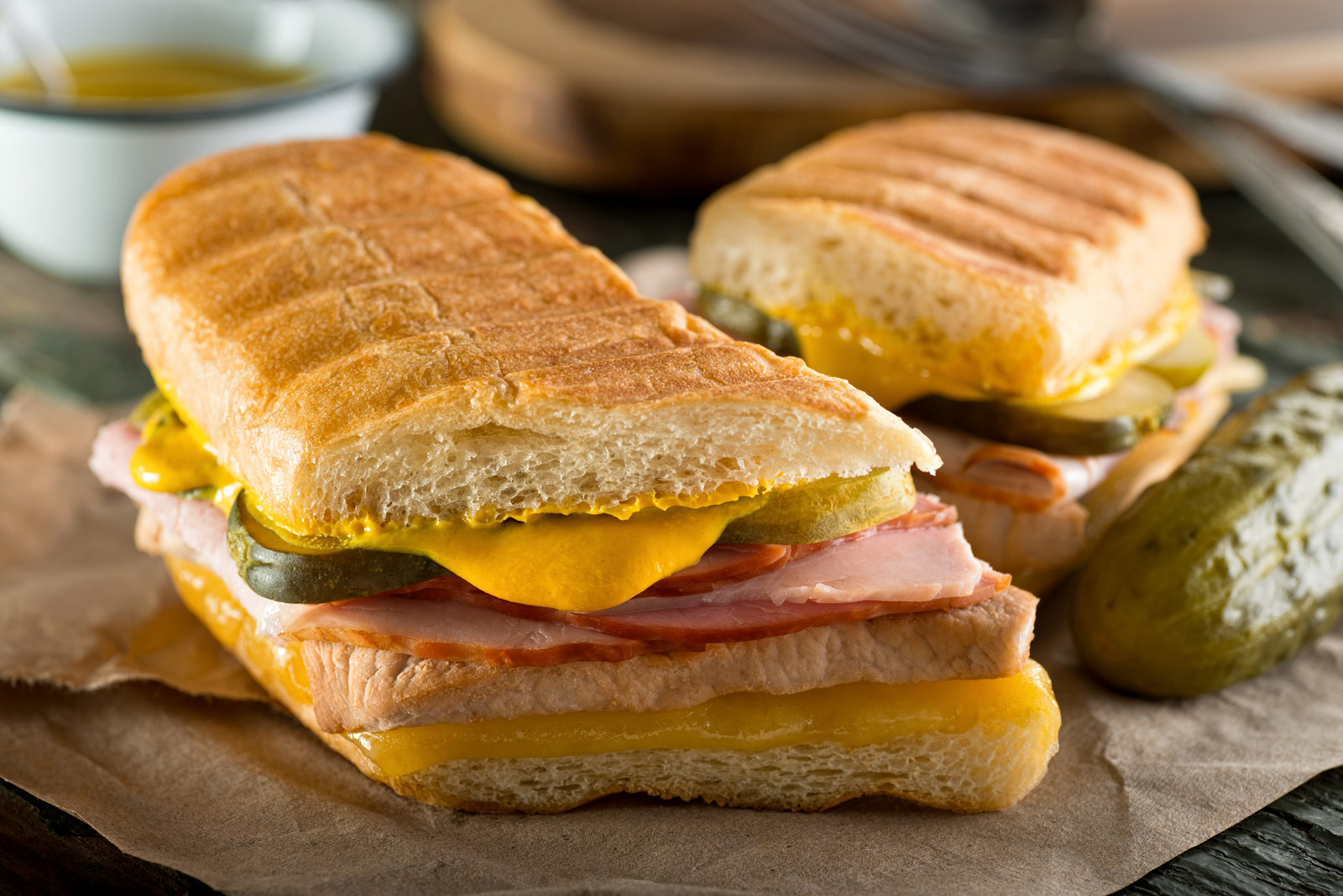
What it’s: Layers of sliced roast pork, ham, and Swiss cheese packed into Cuban bread, topped with dill pickles and yellow mustard, then pressed and toasted till the cheese is melted and the bread is crispy.
Why strive it: It’s a world-famous sandwich for a purpose. The mixture of savoury meats, melted cheese, and the tangy minimize of the pickles and mustard is an ideal mixture. It’s a scrumptious, filling, and inexpensive lunch.
Cultural observe: While it’s the last word image of Cuban meals, the sandwich in its trendy kind was truly perfected in Cuban immigrant communities in Florida, notably Key West and Tampa.
Where to discover it: Look for ventanitas (little walk-up home windows) and native cafes. You’ll discover them throughout, however one of the best ones are made to order at busy lunch counters.
Medianoche (Midnight Sandwich)
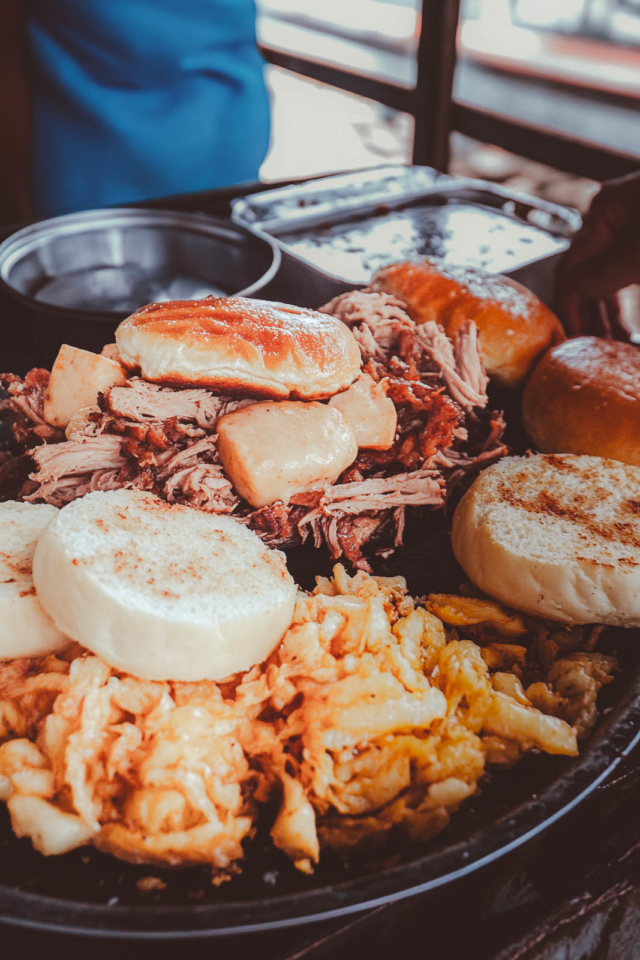
What it’s: Nearly an identical to the Cuban Sandwich in its fillings, however served on a candy, smooth, egg-based bread related to challah or brioche. The identify interprets to “midnight.”
Why strive it: The candy, smooth bread fully modifications the expertise. It makes the sandwich just a little richer and fewer crusty than the unique. We typically desire it after we’re within the temper for one thing a bit completely different.
Cultural observe: It earned its identify as a preferred late-night meals, historically eaten by patrons leaving Havana’s nightclubs and cabarets within the early hours of the morning.
Where to discover it: You can usually discover it on the similar spots that promote the traditional Cubano, particularly at locations that keep open late in Havana.
Tamales
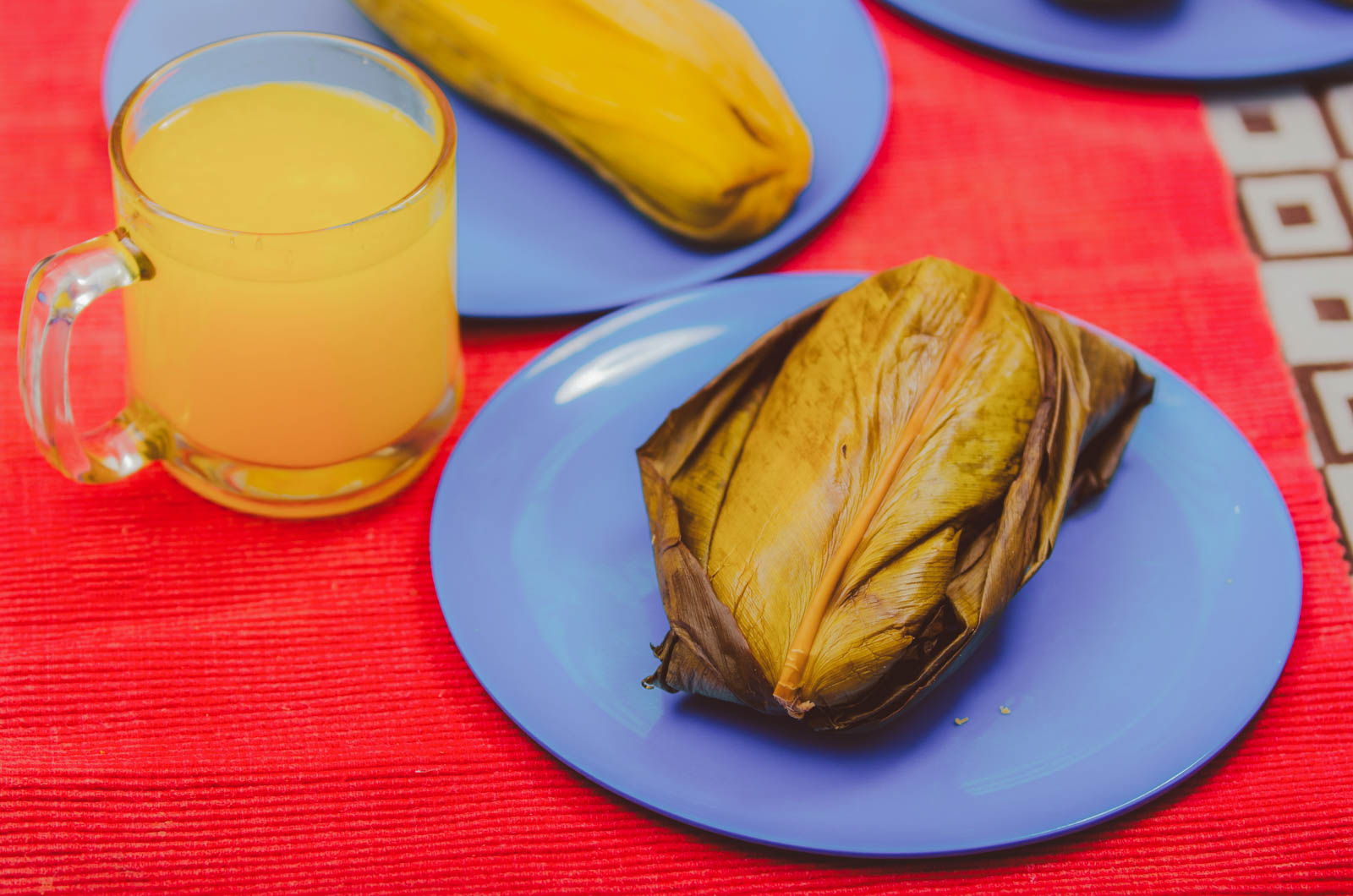
What it’s: A savoury dough made out of contemporary floor corn (masa), combined with seasoned floor pork and spices. The combination is then wrapped in a corn husk and steamed.
Why strive it: Unlike many different Latin American tamales, the meat is combined instantly into the dough as a substitute of being a separate filling. This means each single chunk is moist and filled with flavour.
Cultural observe: Making tamales is commonly a social, communal exercise in Cuba, with household and mates gathering to put together giant batches for holidays and particular events.
Where to discover it: This is traditional avenue meals. Keep a watch out for native distributors promoting them from carts or at neighbourhood markets, particularly in cities exterior of Havana.
Don’t Miss These Cuban Desserts
You’ll need to save room for dessert in Cuba. The sweets right here are sometimes easy, wealthy, and spotlight the island’s tropical fruits and love for all issues decadent.
Cuban Flan
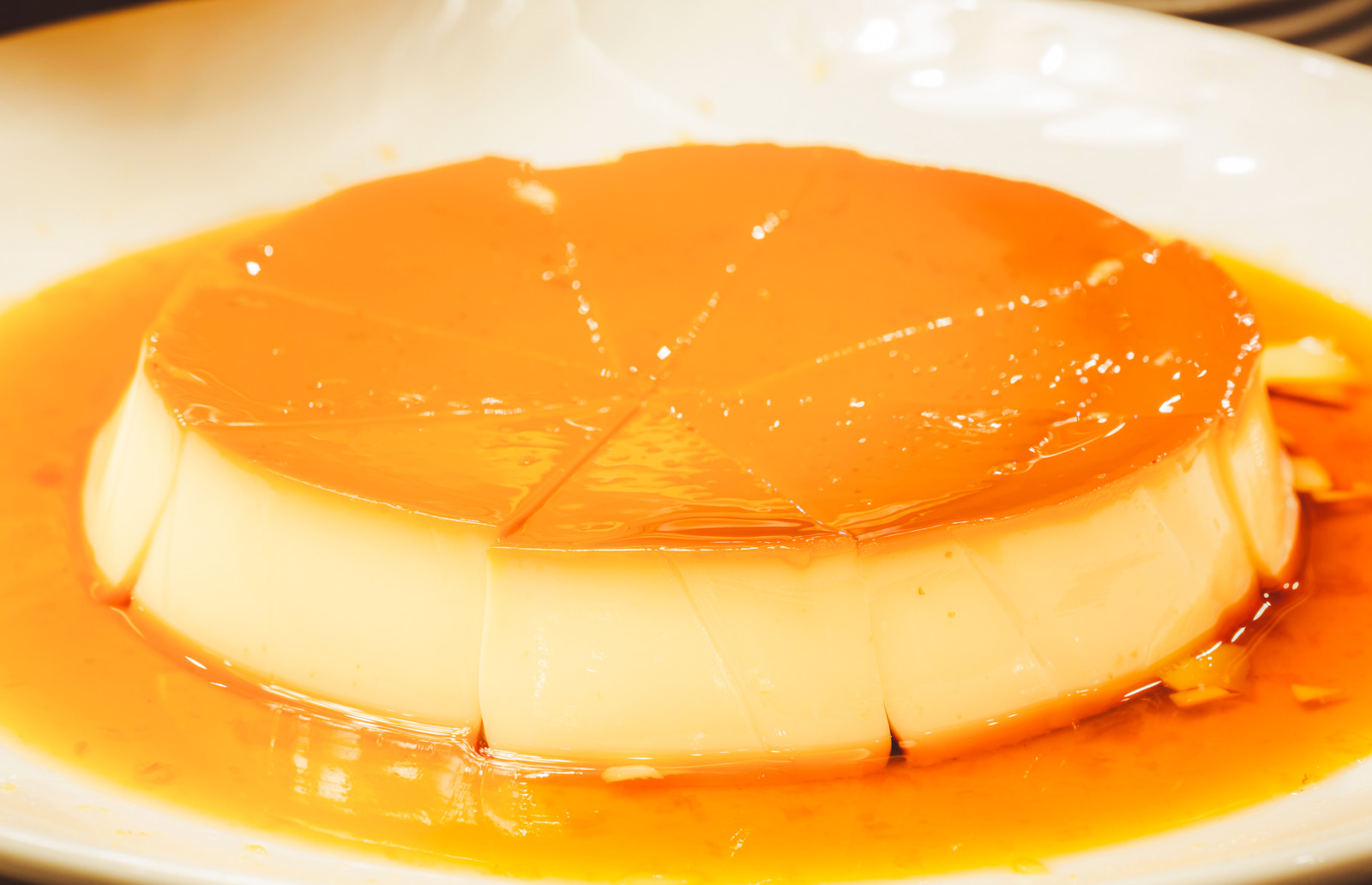
What it’s: A wealthy and silky clean baked custard made out of eggs, condensed milk, and sugar, all sitting in a pool of soppy, amber-coloured caramel sauce.
Why strive it: It’s essentially the most well-known dessert in Cuba for a purpose. The texture is flawless, and the marginally bittersweet flavour of the caramel completely balances the creamy custard. It’s a easy and stylish traditional.
Cultural observe: Flan was introduced to Cuba by the Spanish, however the native model, which depends on canned condensed and evaporated milk, grew to become a staple due to the island’s historical past and dairy availability.
Where to discover it: You will discover flan on the dessert menu of almost each paladar and restaurant throughout the nation.
Tres Leches Cake (Three Milks Cake)

What it’s: A lightweight sponge cake that will get its identify from being soaked in a combination of three milks: evaporated milk, condensed milk, and heavy cream. It’s usually topped with a lightweight whipped cream or meringue.
Why strive it: Despite being drenched in milk, this cake is extremely mild and moist, not heavy or soggy. It’s a decadent deal with that appears to soften in your mouth. We love the way it’s candy with out being overpowering.
Cultural observe: While in style throughout Latin America, Tres Leches is a beloved cake for birthdays and celebrations in Cuba.
Where to discover it: You’ll discover this at many paladares, particularly these with a extra in depth dessert providing. It’s additionally a star attraction in native bakeries (pastelerías).
Casquitos de Guayaba (Guava Shells)
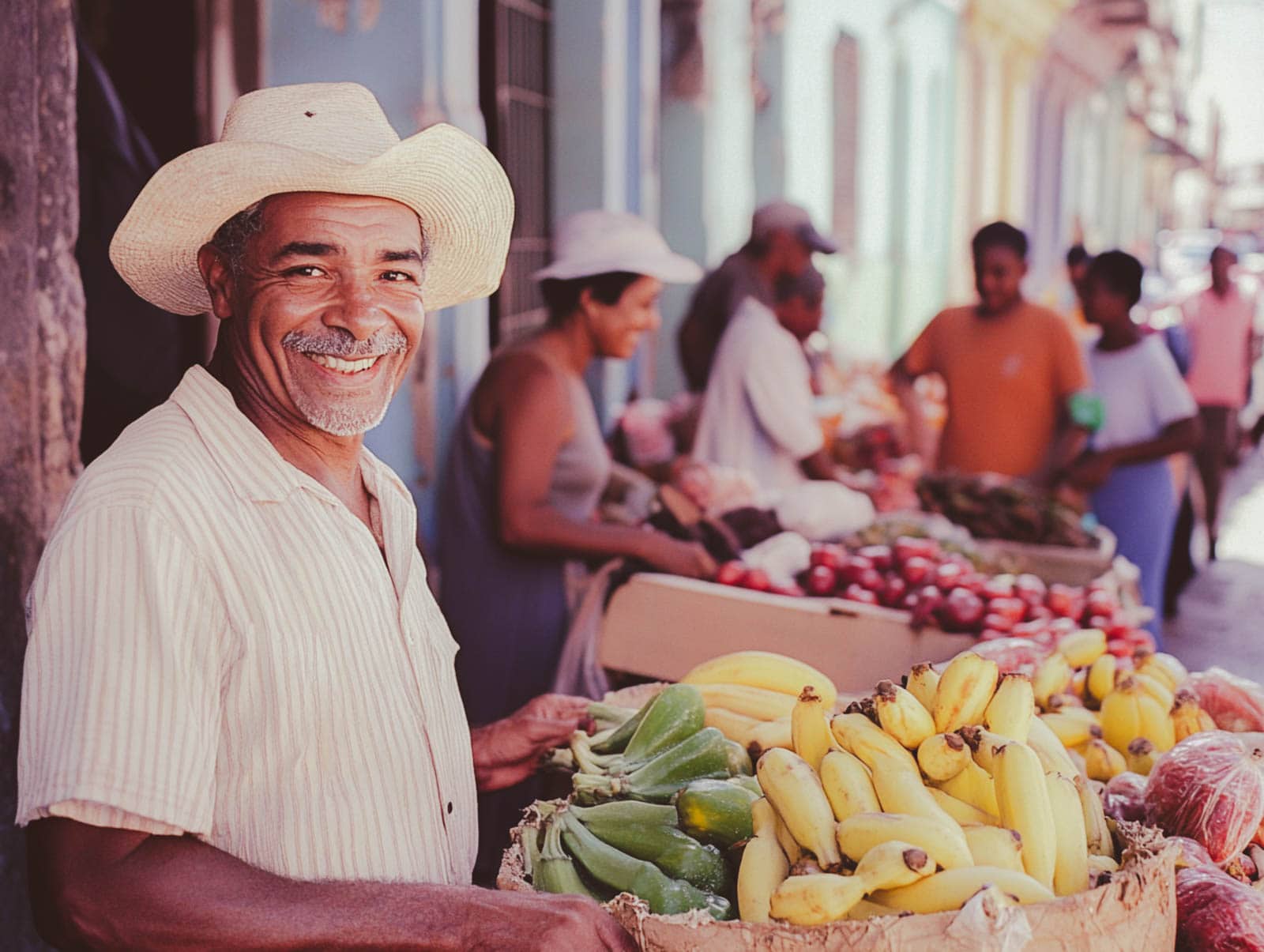
What it’s: Guava halves, with the seeds eliminated, slow-cooked in a candy syrup, usually spiced with cinnamon. They are historically served with a slice of salty, gentle cream cheese.
Why strive it: This is a uniquely Cuban dessert that completely balances candy and savoury. The heat, tender guava mixed with the cool, salty cheese is a flavour mixture you’ve gotten to expertise.
Cultural observe: This dessert is an ideal instance of Cuba’s farm-to-table roots, making a star out of the ample, regionally grown guava.
Where to discover it: Look for this in very conventional, home-style paladares specializing in genuine comida criolla (Creole meals).
Arroz con Leche (Rice Pudding)
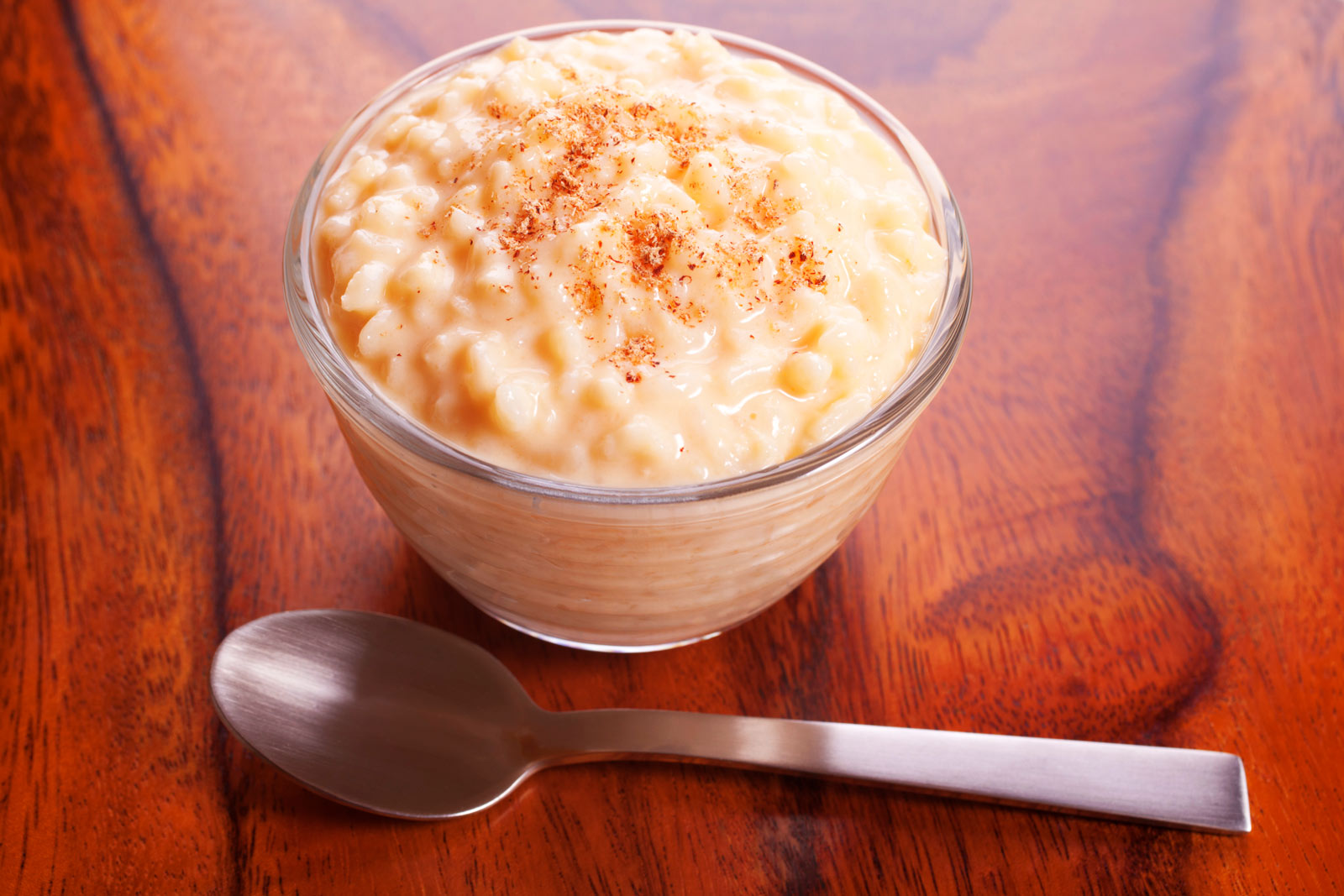
What it’s: A easy and creamy pudding made by slow-cooking rice with milk, sugar, and spices like cinnamon and a touch of lemon zest.
Why strive it: This is pure consolation meals. The Cuban model is commonly thick, creamy, and served cool. It’s a heartwarming and acquainted dessert that seems like a hug in a bowl.
Cultural observe: Another legacy from Spain, Arroz con Leche has been adopted as a staple of Cuban residence cooking, with each household having its personal treasured recipe.
Where to discover it: It’s a standard dessert on restaurant menus and a beloved staple in each Cuban residence.
Buñuelos
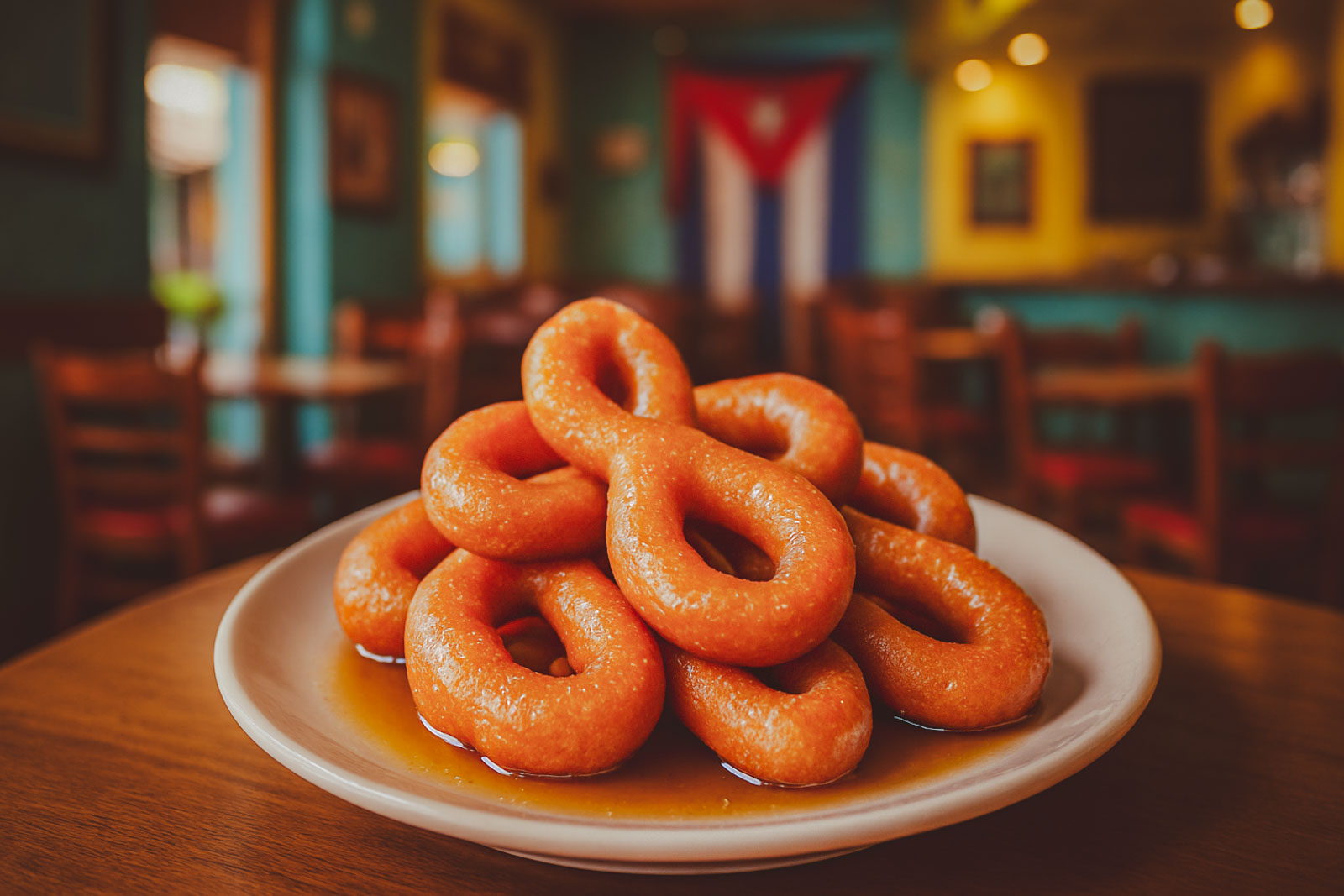
What it’s: A fritter made out of a dough of yuca and malanga (a starchy root vegetable), formed right into a figure-8, and fried till golden. It’s then drenched in a candy syrup flavoured with star anise.
Why strive it: These will not be your common donuts. The yuca provides them a novel texture that’s each dense and lightweight, and the anise syrup provides a splendidly fragrant and barely licorice-like flavour.
Cultural observe: Buñuelos are a really conventional Christmas-time deal with in Cuba, however their recognition means you possibly can typically discover them at different instances of the yr.
Where to discover it: Keep a watch out for avenue distributors promoting them, particularly across the vacation season. Some conventional eating places can also supply them seasonally.
What to Drink in Cuba
To spherical out your culinary tour, you’ve gotten to strive the island’s iconic drinks. From potent morning espresso to refreshing night cocktails, these are the important drinks of Cuba.
Café Cubano (Cuban Coffee)
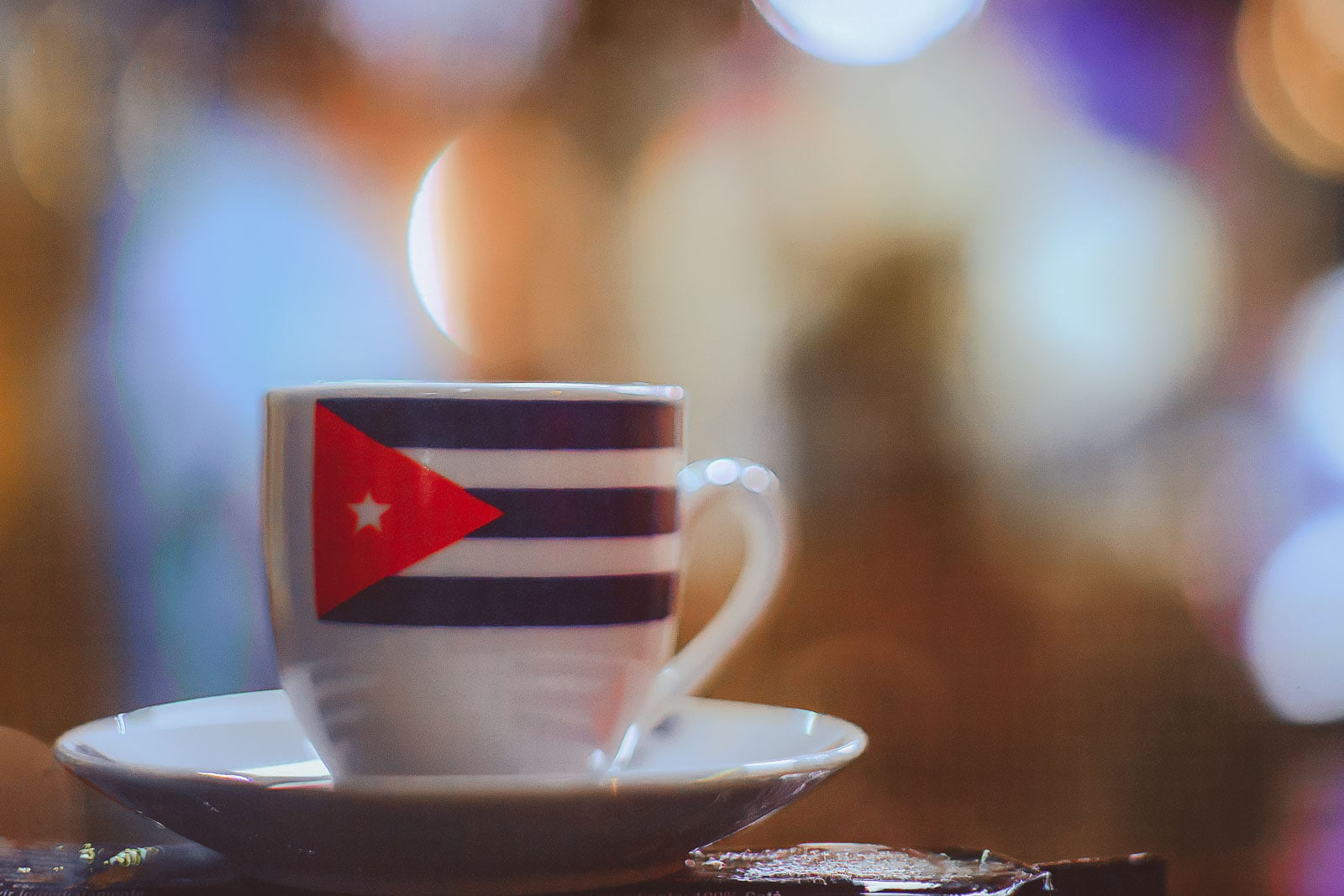
What it’s: A small however highly effective shot of espresso, uniquely sweetened by whipping the primary few drops of espresso with demerara sugar till it types a creamy, pale brown foam (espumita).
Why strive it: It’s a shot of pure Cuban vitality. The espumita provides it a novel texture and sweetness that’s in contrast to every other espresso you’ve had. It’s the right manner to begin the morning or cap off an enormous meal.
Cultural observe: Drinking espresso is a central a part of the social cloth. Offering a cafecito is a basic gesture of hospitality and friendship, and it’s shared always of the day.
Where to discover it: Absolutely in every single place. You can seize one from a ventanita (a walk-up window) for only a few pesos, or take pleasure in one after dinner at any paladar.
Mojito
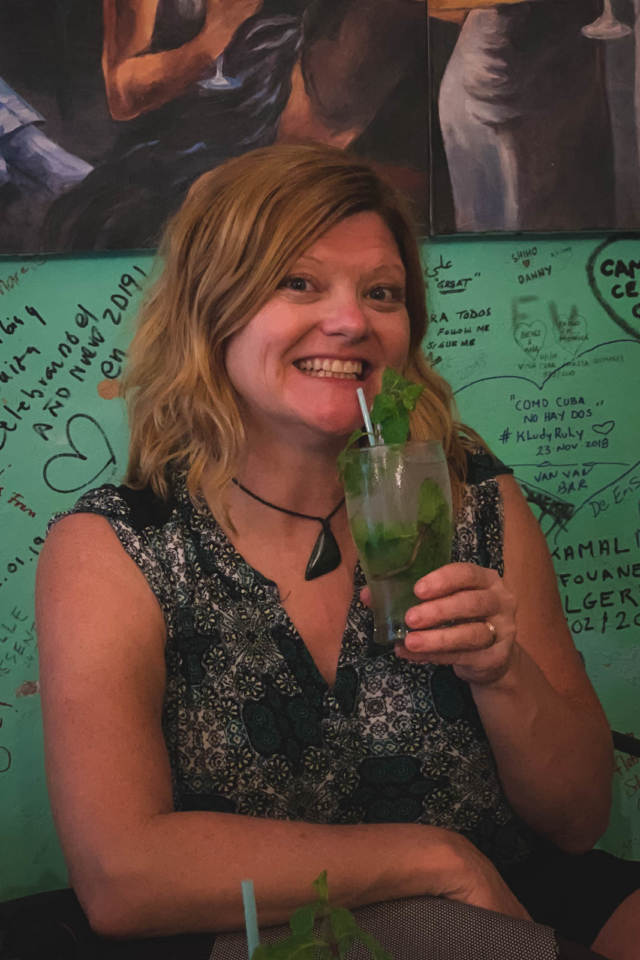
What it’s: The world-famous Cuban cocktail made out of white rum, contemporary mint leaves, lime juice, sugar, and a splash of soda water, all muddled collectively to launch the mint’s oils.
Why strive it: Having a mojito in its birthplace is a should. When made appropriately, it’s extremely refreshing and balanced—not the overly candy drink you might need tried elsewhere. It’s the right antidote to a sizzling Havana afternoon.
Cultural observe: The cocktail was made well-known by writer Ernest Hemingway, who was an everyday on the Havana bar La Bodeguita del Medio, which is now a preferred spot for vacationers looking for the traditional mojito expertise.
Where to discover it: Every bar, resort, and restaurant will serve one. For the historic expertise, head to La Bodeguita del Medio, however a few of our greatest mojitos have been from smaller, much less crowded native bars.
Insider Tips for Finding the Best Food in Cuba
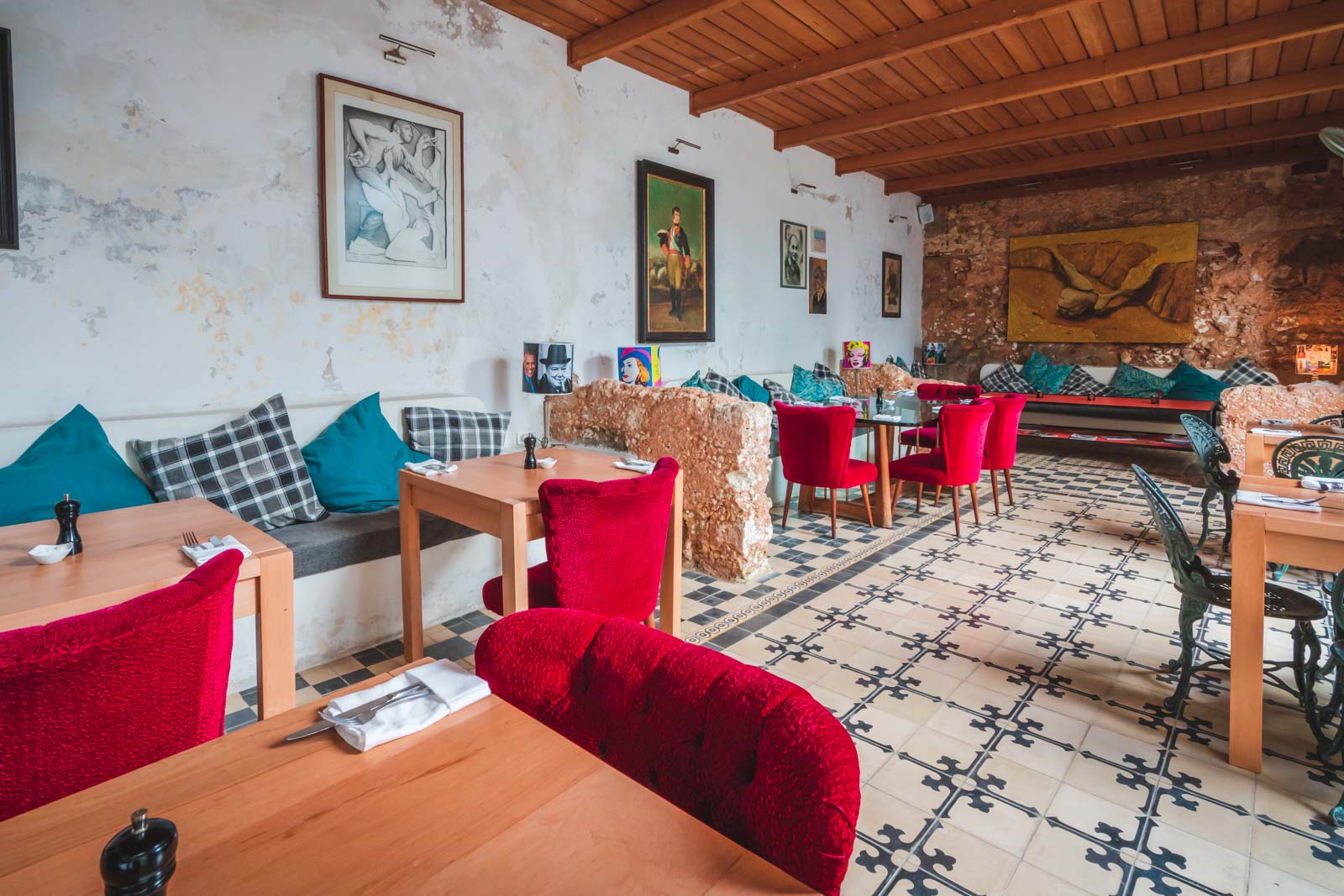
Knowing what to eat is one factor; figuring out the place to discover it’s one other. After years of travelling by Cuba, we’ve realized that one of the best meals are sometimes discovered off the crushed path. Here’s what you want to know.
Why You Need to Eat at a ‘Paladar’
If there’s one piece of recommendation you are taking away from this text, it’s this: eat at a paladar. Unlike the customarily uninspired state-run eating places, paladares are privately-owned, often family-run institutions. The meals is cooked with care, the substances are more energizing, and the recipes have been handed down for generations. Eating at a paladar not solely ensures you a greater meal, nevertheless it additionally instantly helps native Cuban households.
What to Expect for Breakfast
Breakfast (desayuno) in Cuba is usually a easy affair. The commonest breakfast consists of tostada—Cuban bread that’s sliced, buttered, and toasted—served with a robust café con leche (espresso with milk). Don’t be afraid to do because the locals do: break off items of your toast and dip them straight into your espresso. Fresh fruit and eggs are additionally generally accessible.
Where to Eat in Havana
La Guarida, Centro–Old Havana border. Modern Cuban and classics. Reserve.
Doña Eutimia, Callejón del Chorro 60-C, by the Cathedral. Comida criolla staples.
San Cristóbal, San Rafael No 469 E. Old-school paladar with traditional plates.
We’ll be sincere: Cuba is usually a problem for vegetarians. The delicacies could be very meat-centric. However, it’s getting simpler. Your greatest wager is to dine at paladares, the place you possibly can usually communicate instantly with the proprietor or chef to request a meal with out meat.
Your go-to dishes might be rice and beans, fried plantains, omelettes, and root greens like yuca. Be certain to make clear that you just don’t eat meat, as some locations might think about jamonada (ham or spam) to be an appropriate addition.
Frequently Asked Questions about Cuban Food
The nationwide dish and arguably hottest meals is Ropa Vieja. However, Lechon Asado (roast pork) is the star of any celebration, and the straightforward mixture of rice and beans (Moros y Cristianos) is essentially the most generally eaten meals each day.
No, conventional Cuban meals is just not spicy-hot. It could be very flavourful and well-seasoned with spices like cumin, oregano, and bay leaf, together with the foundational flavours of garlic, onion, citrus, and bell peppers, nevertheless it doesn’t use sizzling chili peppers. Hot sauce is usually not accessible until you ask for it particularly.
A typical Cuban dinner plate, or plato fuerte, consists of a predominant protein like roast pork or shredded beef, served with a beneficiant serving to of rice and beans cooked collectively, and a facet of fried candy plantains (maduros) or a easy salad.
A Cuban garlic-and-citrus marinade and sauce constructed on bitter orange, garlic, oregano, and oil. Lemon and lime can sub for bitter orange.
Moros usually makes use of black beans. Congrí usually makes use of pink beans, particularly within the east, although utilization overlaps.
Cuban meals is a direct reflection of its vibrant, resilient, and resourceful tradition. It’s extra than simply rice and beans; it’s a wealthy culinary custom constructed on Spanish, African, and Caribbean influences. To really expertise it, you’ve gotten to step away from the resorts and into the family-run paladares the place the true magic occurs. By following your curiosity, you’ll uncover a flavourful and comforting delicacies that may stick to you lengthy after your journey is over.
Looking for extra info on Cuba?