
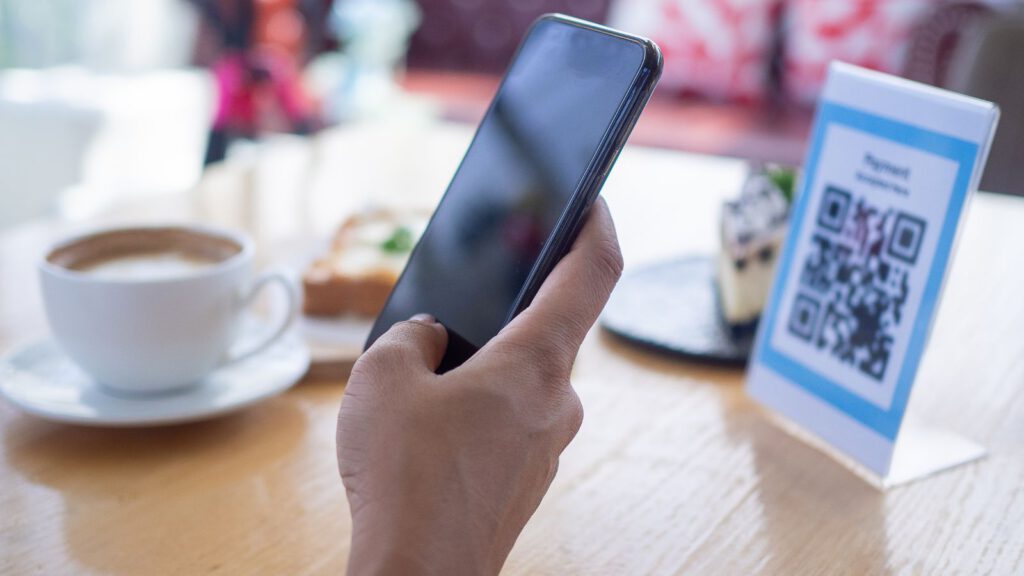
QR codes are in all places after we journey now, on restaurant tables, parking meters, lodge indicators, airports, prepare stations, and transit machines. This journey rip-off generally known as Quishing or QR code phishing is turning into the quickest rising journey rip-off warning on the market. Most QR codes are authentic, however scammers are utilizing faux QR code stickers and faux fee pages to catch travellers when they’re drained, rushed, or distracted.
Key Takeaways
The qr code journey rip-off, generally known as Quishing, contains faux QR codes used to steal private data from vacationers.
Check for suspicious QR codes at restaurant tables, parking meters, and transit stations; they usually mimic authentic codes.
Always examine the bodily QR code and verify the URL earlier than getting into any delicate info.
If you believe you studied a QR code is faux, shut the web page and notify the related authorities instantly.
Stay cautious however don’t keep away from QR codes; undertake the behavior of pausing, checking, after which paying.
What Is the QR Code Travel Scam?
How the faux QR code rip-off works
A scammer doesn’t all the time want to hack a system or harm a fee machine. Sometimes they print a faux QR code sticker and place it straight over a authentic code.
From a fast look, the signal nonetheless seems official. The emblem might look acquainted. The directions could seem regular. The web page that opens might copy the colors, format, and branding of the actual firm.
You suppose you’re paying for parking, ordering meals, checking right into a lodge, or settling a toll. Instead, criminals could also be accumulating your bank card quantity, password, telephone quantity, licence plate, e-mail deal with, or different private info.
The FTC has additionally warned about faux site visitors violation texts that start with a QR code and check out to scare individuals into paying a faux unpaid stability.
The FTC has warned that scammers cover dangerous hyperlinks in QR codes to steal private info, together with by putting faux QR codes over actual ones on parking meters.
The three locations to Most doubtless to see faux QR code Travel Scams
1. Restaurant tables and café menus
Many eating places now use QR codes for menus, ordering, or fee. Most are authentic, however travellers ought to nonetheless be cautious. This is the best journey rip-off for QR code phishing as everybody makes use of it.
A menu QR code ought to normally present a menu. Be cautious if it asks for info it doesn’t want, corresponding to your passport quantity, banking particulars, lodge room quantity, or a password.
Before scanning a QR code on a restaurant desk, take a look at the floor. Does it look printed into the menu or desk signal, or does it appear to be a sticker positioned on prime? If it seems raised, crooked, bubbled, or mismatched, ask workers for a printed menu or the restaurant’s official web site.
2. QR Codes at Parking meters, tolls, and rental automobile funds
Parking is without doubt one of the best locations for this rip-off to work as a result of travellers are sometimes rushed and confused.
You might not know the native parking app. You could also be coping with one other language. You could also be frightened about getting a ticket. That strain makes a “scan to pay” sticker really feel useful.
Before paying via a parking QR code, examine the sticker, learn the URL preview, and verify whether or not the fee web page matches the town, parking authority, or official app named on the machine.
If something feels off, don’t use the QR code. Type the official web site your self, use the official parking app, pay on the machine, or ask native workers for assist.
3. Scanning QRs Airports, prepare stations, accommodations, and transit areas
Airports and transit stations are filled with QR codes: Wi-Fi, instructions, tickets, baggage storage, kinds, lounge entry, and repair info. Travel scams usually occur when vacationers are in a rush. If you want wifi, a taxi, some meals, QR codes are sometimes the best approach to catch you off guard.
That doesn’t imply each code is unsafe. It means it is best to decelerate when a public QR code asks for fee, passwords, ID paperwork, or private info.
The FBI warns that malicious QR codes can ship individuals to faux websites, steal sufferer information, embed malware, or redirect funds. The FBI warns that criminals can tamper with QR codes to redirect funds, steal login and monetary info, or ship individuals to malicious web sites.
easy QR Code Scam rule: Pause. Check. Then pay.
The simplest way to keep away from this rip-off is to construct one behavior earlier than you scan a public QR code.
Pause. Check. Then pay.
Step 1: Pause earlier than scanning at QR code
Do not scan simply because an indication seems official. Public indicators, parking meters, desk playing cards, and posters could be tampered with.
If the message says it’s essential to pay instantly, keep away from a superb, settle a toll, verify a reserving, or forestall a penalty, decelerate. Urgency is without doubt one of the greatest warning indicators.
Step 2: Check the bodily code to guarantee it’s not a rip-off
Before your telephone opens something, take a look at the QR code itself.
Check for:
Raised corners
Air bubbles
Peeling edges
Mismatched colors
Different paper or plastic
A sticker positioned over one other code
A code that appears crooked or misplaced
We name this the scratch take a look at. You are usually not damaging the signal. You are merely checking whether or not the QR code feels or seems totally different from the remainder of the floor.
Canadian readers may verify the Canadian Centre for Cyber Security’s QR code security steerage and report fraud via the Canadian Anti-Fraud Centre.
Step 3: Check the URL earlier than getting into something
Most telephones present a preview of the web site earlier than opening the web page. Read it.
Look for misspellings, further phrases, unusual endings, random letters, shortened hyperlinks, or a site that doesn’t match the corporate, lodge, restaurant, metropolis, or attraction.
Do not rely solely on the padlock image. A safe connection doesn’t robotically imply the location is authentic. The actual query is whether or not you’re on the right web site.
The FTC has additionally warned about faux site visitors violation texts that embody a QR code and strain individuals to pay a faux unpaid stability.
Step 4: Think it’s a Travel Scam? Go straight to the official website or app
For funds, passwords, account logins, or id info, the most secure choice is usually to bypass the QR code.
Open your browser and sort the official web site your self. Use an app you already put in from the official app retailer. Ask an worker for the right fee technique. Contact your lodge, airline, rental automobile firm, or financial institution via the telephone quantity in your reserving or card — not via the quantity on a suspicious web page.
What to do if you happen to already scanned a suspicious QR code
First, don’t panic. Scanning a QR code doesn’t robotically imply your info has been stolen. The greater threat normally begins if you enter fee info, sort a password, obtain a file, or present private particulars.
If you scanned a suspicious code:
Close the web page instantly if the hyperlink seems unsuitable, the message creates urgency, or the location asks for info you didn’t anticipate to present.
Do not obtain an unfamiliar app or file from a QR code.
If you entered bank card info, contact your financial institution or card issuer utilizing the official quantity on the again of your card or via the official banking app.
If you entered a password, change it via the official web site or app. If you reused that password wherever else, change it there too.
Watch for follow-up messages. A scammer who has a few of your info might later fake to be your financial institution, lodge, airline, rental automobile firm, or fee supplier.
Report the faux QR code to the enterprise, parking authority, lodge, airport, or native authority to allow them to take away it.
How to a QR code Scam From Legit
A QR code could also be suspicious if it seems like a sticker positioned over one other code, has peeling edges, opens an odd URL, makes use of a shortened hyperlink, creates urgency, asks for info that doesn’t make sense, or directs you away from the official web site or app.
At a restaurant, a QR menu mustn’t want your passport or banking password. At a parking meter, the fee web page ought to match the town or parking authority. At a lodge, a check-in code mustn’t ship you to a random fee web page outdoors the official reserving system.
The BBB has additionally warned customers to double-check QR codes earlier than paying for parking.
Should you cease utilizing QR codes when travelling?
No. QR codes are a part of trendy journey, and lots of are completely secure.
The purpose will not be to panic each time you see one. The purpose is to cease treating each QR code as robotically reliable.
A number of seconds of inspection can shield you from a for much longer monetary or account-recovery downside later.
QR codes are handy, however comfort is strictly what scammers are utilizing towards travellers.
Before scanning a public QR code at a restaurant, parking meter, lodge, airport, prepare station, attraction, or transit cease, bear in mind the rule:
Pause. Check. Then pay.
Inspect the code. Read the hyperlink. Go straight to the official web site or app when cash, passwords, or private info are concerned.
That tiny pause could be the factor that saves your journey.
Is scanning a QR code harmful?
Scanning a QR code will not be robotically harmful. The hazard normally begins if you open a suspicious web page, enter fee particulars, sort a password, obtain a file, or present private info with out checking whether or not the location is authentic.
How do I verify if a QR code is secure?
Inspect the bodily code for stickers, raised edges, bubbles, peeling corners, or something positioned over one other code. Then verify the URL preview earlier than opening the web page. If the hyperlink seems unusual or doesn’t match the official firm, metropolis, lodge, or attraction, don’t use it.
What ought to I do if a QR code asks for fee?
Before getting into fee info, be sure that the web site belongs to the official enterprise or authority. When unsure, use the official app, sort the web site manually, pay straight on the machine, or ask workers for the right fee technique.
What ought to I do if I fell for a journey rip-off and entered my bank card on a faux QR code website?
Contact your financial institution or card issuer instantly utilizing the official quantity on the again of your card or your banking app. Watch for suspicious fees, exchange the cardboard if wanted, and don’t use any contact info from the suspicious web site.
Read subsequent: